
 Harry Archie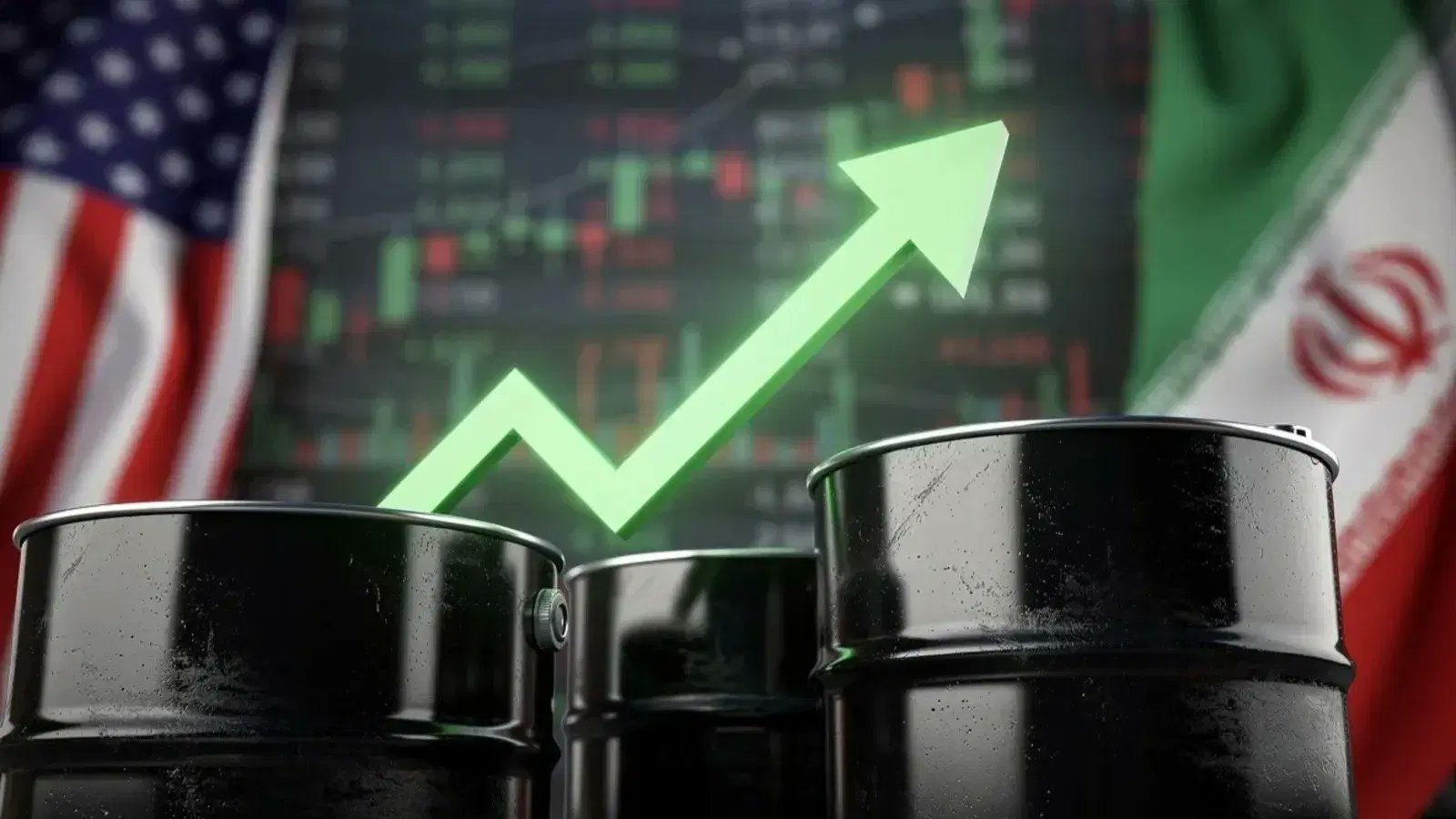
Global oil prices rose sharply on Monday after reports that Iran has suspended peace talks with the United States, raising fears of renewed conflict in the Middle East.
Crude oil prices jumped by about seven percent after an Iranian news agency said Tehran had paused negotiations through mediators.
- Security Tightened in Kaduna Ahead of Tinubu’s Campaign Rally
- Kaduna Police Restrict Heavy-Duty Vehicles Ahead of Tinubu’s Visit
- Health Workers Prepare for Strike Over 19 Months’ Unpaid Allowances
- NLC Lists Six Demands, Threatens Nationwide Strike
- House of Representatives Gives Telecom Operators Seven Days to Explain Poor Services
The development followed weekend exchanges of attacks between the two countries and growing tensions linked to the conflict in Lebanon.
Analysts said the breakdown in talks has weakened hopes for peace and increased fears of supply disruptions.
One market expert noted that the situation has pushed oil prices higher because investors expect possible conflict and reduced oil flow.
There are also concerns about the Strait of Hormuz, a key route for global oil and gas shipments, which has already seen reduced traffic during the crisis.
The rise in oil prices affected global stock markets. While some technology stocks briefly gained, major US and European markets fell as investors reacted to higher energy costs and uncertainty.
Asian markets performed better, supported by strong interest in artificial intelligence-related stocks, especially after major announcements from chipmaker Nvidia.
Oil prices closed significantly higher, with Brent crude and US West Texas Intermediate both rising sharply.
Meanwhile, major currencies and global stock indices showed mixed movements as markets reacted to the ongoing geopolitical tensions.
